














President Donald Trump’s latest push to slash prescription drug prices promises relief at the pharmacy counter, but behind the headline savings lie trade-offs that could reshape how drugs are developed, priced and delivered in the United States.
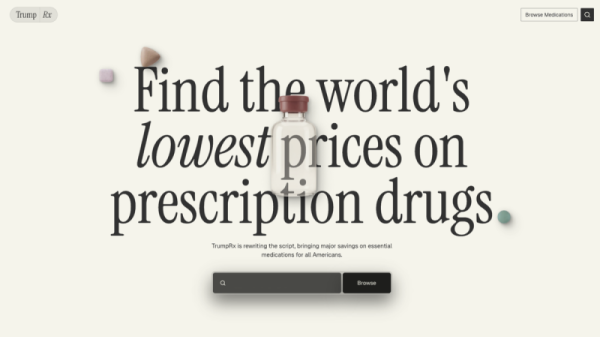
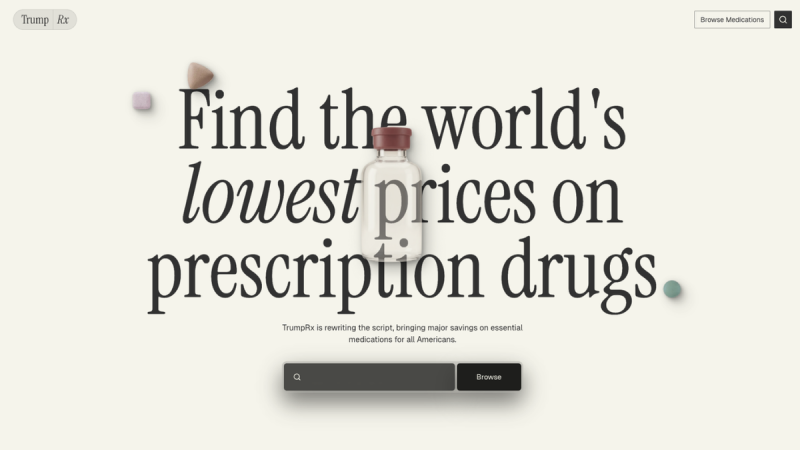
To deliver on that promise, the administration has rolled out TrumpRx, a federal price-comparison platform aimed at lowering out-of-pocket costs. The effort unfolds against the backdrop of the midterm election cycle, where rising healthcare costs remain a central concern for voters and a defining campaign issue.
The political appeal is clear, but experts warn the economics are messier. Economists point to a basic trade-off: lower prices today can shape how and whether new drugs are developed tomorrow.
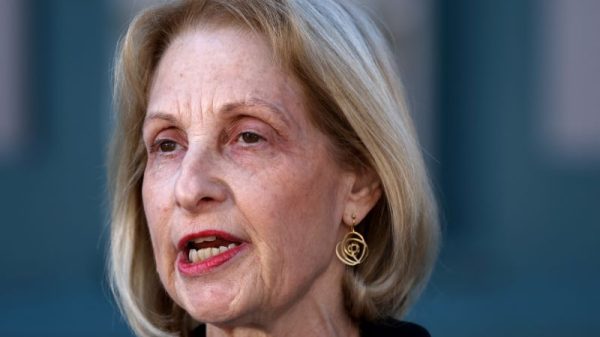
‘When drug prices are capped or negotiated down, companies anticipate lower returns, reducing investment in drug research and development,’ said Olivia Mitchell, a professor of business economics and public policy at the Wharton School.
‘Economic evidence shows that lower prices depress incentives to develop new drugs,’ she added.
‘In the short term, patients and payers can see meaningful savings through lower prices and out-of-pocket costs, but in the longer term, there is more risk of fewer or slower-arriving new medicines, especially in areas most exposed to price controls.’
Michael Baker, director of healthcare policy at the American Action Forum, said government price setting does not eliminate costs so much as redistribute them.
‘At the most basic level, government price setting only limits what patients pay for a drug — usually reflected in an out-of-pocket or co-insurance payment,’ Baker said. ‘This does nothing to address the overall cost of the drug, which someone still has to pay, nor does it lower the cost associated with development.’
As a result, he said, those costs could reemerge through tighter health coverage rules, fewer treatment options or reduced future innovation.
Supporters of the administration counter that the policy does not amount to strict government price caps. Instead, they describe it as a negotiated arrangement.
Ed Haislmaier of the Heritage Foundation said companies appear to be lowering prices in exchange for expanded market access or other relief, a structure he argues avoids the most disruptive effects of traditional price controls.
‘In such cases, companies are likely calculating that revenue losses from lower prices will be offset by revenue gains from more sales,’ Haislmaier told Fox News Digital.
‘The kind of government price controls that are most damaging to innovation are ones that limit the initial price a company can charge for a new product. That is the situation in some countries, but fortunately not yet in the United States,’ he added.
For patients squeezed by rising costs, the promise of immediate savings is hard to dismiss.
But economists say the long run question is whether the system can deliver cheaper drugs without dulling the incentives that produce the next generation of treatments —an issue both parties are likely to keep pressing as health costs stay front and center.